Published 19 October 2026 by Bluestone Labour Group.
Cold storage labour hire in Melbourne works when the provider knows exactly what the cold rooms involve before anyone is booked. A freezer at minus 20 degrees and a chiller at 2 degrees are very different places to spend a shift. The workers need to have agreed to the temperature in advance, the host needs a set pattern of breaks out of the cold, and forklift and order picker operators need the right licence class for the trucks in the store. Get those three things settled and casual workers can pick, pack and move pallets in a cold store safely and keep up. Leave them to the first morning and you lose half the crew by lunch.
This guide is for warehouse, operations and shift managers at refrigerated distribution centres, third party cold stores and food warehouses who use labour hire for picking, packing, dispatch and forklift work.
Each of these needs to be in the booking, not discovered at the dock door.
Tell the provider which zones the worker will enter: ambient, chiller or freezer, and roughly how much of the shift is spent in each. A picker who spends ten minutes an hour in the freezer has a very different day from one who works inside it for two hours at a stretch.
Cold work needs warm up breaks away from the cold zones, on a pattern set by the host before the shift. Agree the pattern and the warm area with the provider so workers know what to expect and supervisors keep to it on a busy night.
Freezer work needs insulated clothing, gloves and head cover suited to the temperature. Tell the provider what your site issues at the change room and what the worker must bring, such as safety boots, so nobody arrives without what they need.
Some people will not work in a freezer, and some health conditions make it unsuitable. A provider who asks each worker about cold work before the booking saves you a worker who walks out after the first hour.
The common requests from refrigerated warehouses, with the licence each one needs.
Workers who know the temperature, the break pattern and the shift before they arrive are the ones who come back on day two. That is the difference between a cold store crew that holds together and one you rebuild every Monday.
Plan for the peaks. Cold chain volumes climb before Christmas and Easter, through summer for drinks and frozen desserts, and around major promotions from the big retailers. The time to build the casual pool is a few weeks before the peak, so each worker has done your induction and a few shifts before the busiest weeks. Our guide on warehouse peak season staffing covers how to size and time that pool.
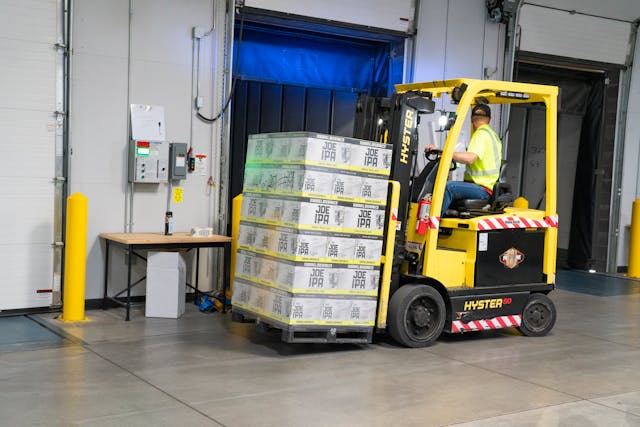
Check the licence class, not just the licence. A High Risk Work Licence for forklifts comes in two classes. LF covers forklift trucks, including reach trucks. LO covers order picking forklift trucks where the operator lifts with the load. A worker with an LO cannot drive your reach trucks, and a worker with only an LF cannot run your order pickers. Ask the provider to sight the class that matches your trucks before the booking. The forklift licence classes guide explains the difference in detail.
Keep the same faces. Cold store work rewards workers who know your racking, your pick paths and your break routine. Ask the provider to rotate a small pool of workers who have already done your induction rather than sending new people each shift. Repeat workers pick faster in the cold and look after themselves better because they know the pattern.
Safety duties are shared. In Victoria the host is treated as the employer of a labour hire worker for health and safety purposes, so your cold work controls, break pattern and induction apply to casual workers in the same way as to your own staff. The provider must also be satisfied the site is safe before placing anyone. Our guide on host employer health and safety duties sets out how the two sides split the work.
Casual employment and the award. Cold store work is directed, rostered and supervised by the host, so we engage pickers, packers, storepersons and forklift operators as casual employees on our payroll under the relevant award, with WorkCover and superannuation from the first shift. Where a regulated labour hire arrangement order applies, our guide on same job same pay explains what it means for the rate.
Where the work is. Melbourne's cold storage clusters sit in the west around Truganina, Laverton North and Derrimut, in the north around Campbellfield and Somerton and around Epping, near the wholesale market, and in the south east around Dandenong South and Keysborough and Braeside. We supply warehouse staff and forklift operators across all three, and hold Victorian Labour Hire Licence VICLHL11535.
Yes, provided the host tells the provider the temperatures and time spent in the cold before the booking. Freezer work needs suitable insulated clothing, set warm up breaks and workers who have agreed to the conditions in advance.
It depends on the truck. An LF licence covers forklift trucks, including reach trucks used in freezer racking. An LO licence covers order picking forklift trucks where the operator rises with the load. Match the licence class to the trucks in your store.
Set a pattern of warm up breaks away from the cold zones before the shift starts, based on the temperature and the time spent inside. Tell the provider the pattern so workers expect it, and have supervisors keep to it on busy shifts.
At Bluestone they are. Cold store work is directed, rostered and supervised by the host, so pickers, packers, storepersons and forklift operators are casual employees on our payroll under the relevant award, with WorkCover and superannuation from the first shift.
Ask us anything about our services.